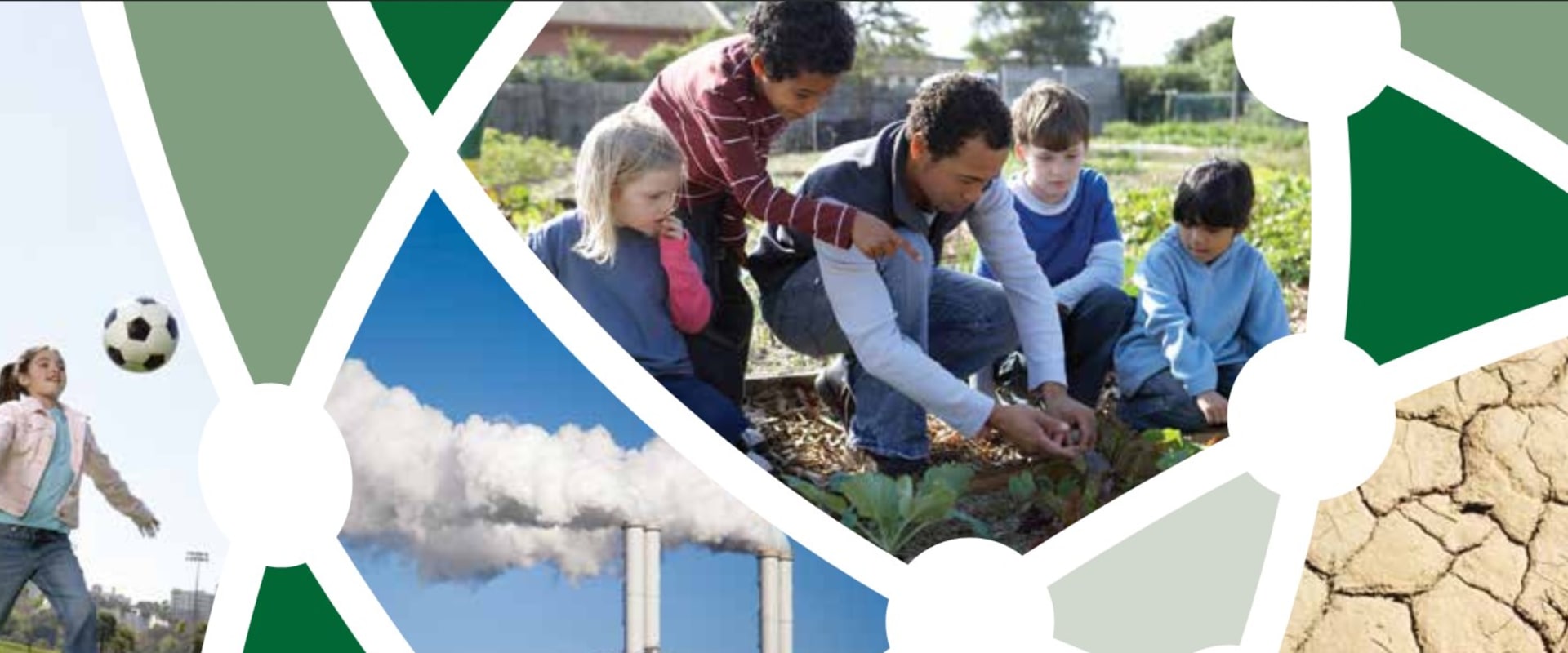
Contra Costa County, California, is a region of great diversity, rich in culture, but also faced with persistent and evolving social issues. From housing insecurity to food deserts, and from educational disparities to environmental justice concerns, local organizations are stepping in to fill the gaps where government services may fall short. These nonprofits, grassroots groups, and community coalitions are not only offering services—they’re providing long-term strategies to improve the quality of life for residents throughout the county.
Housing and Homelessness: Ongoing Crisis and Creative Solutions
Housing affordability remains one of the most pressing issues in the area. With increasing rent and home prices, more families are living on the edge of financial instability. Local organizations like Shelter, Inc. and the Contra Costa Housing Authority work tirelessly to provide emergency housing and long-term support. Their efforts include job placement programs, housing subsidies, and case management services. Still, advocates say that systemic change is needed—such as more affordable housing development and updated zoning laws—to meet the growing demand.
Food Access and Educational Equity
Another major issue is food insecurity, particularly in unincorporated and low-income areas where grocery stores are scarce. Groups like the Food Bank of Contra Costa and Solano provide essential nourishment, but they’re also working on broader efforts like community gardens and nutrition education to build self-sufficiency. Similarly, educational disparities persist across school districts, with wealthier areas having far more resources than others. Nonprofits like Reading Partners and the East Bay Leadership Council offer tutoring, school supplies, and policy advocacy to help bridge the gap.
Environmental Justice and Infrastructure Needs
Environmental concerns are also at the forefront of community efforts. Industrial pollution, aging infrastructure, and poor waste management disproportionately impact low-income neighborhoods. Organizations such as the Contra Costa Clean Water Program are helping communities organize cleanups, petition for safer living conditions, and secure infrastructure improvements. In many cases, solving these environmental issues requires collaboration between technical service providers and local governments. For instance, improving public sanitation systems in older neighborhoods has brought attention to the importance of trenchless sewer repair as a less invasive and more affordable way to replace failing pipelines without disrupting residents or local ecosystems.
Challenges That Local Groups Face
Despite these valiant efforts, local organizations face major hurdles. Funding is often inconsistent, especially for small nonprofits reliant on grants and donations. Staffing shortages, bureaucratic delays, and limited access to public spaces also hinder their ability to expand services. Additionally, the complexity of many social issues—like homelessness, which involves mental health, addiction, and employment—requires multi-pronged solutions that take time to implement and even longer to yield visible results.
Collaboration as the Path Forward
One of the most promising developments is the increase in cross-sector collaboration. Schools are partnering with food banks, housing coalitions are working with environmental groups, and businesses are offering sponsorships and volunteers. This community-wide model of support ensures that no single organization bears the burden alone—and that efforts are more holistic and impactful.
Conclusion: A Community Effort for Sustainable Change
The social issues facing Contra Costa County are real, layered, and urgent. But thanks to the tireless work of local organizations and the growing spirit of collaboration, meaningful change is not just possible—it’s already underway. By understanding and supporting these efforts, residents can become part of a county that values equity, dignity, and opportunity for all.